
Physical Medicine & Rehabilitation
A physiatrist (or physical medicine and rehabilitation physician) is a specialist doctor who deals with the prevention, diagnosis and treatment of conditions of the musculoskeletal and nervous systems. The aim is to improve the functionality, mobility and quality of life of patients with chronic pain, disabilities or injuries, using non-invasive methods, exercises and medication.
What does the physical medicine and rehabilitation physician do:
- Rehabilitation: After strokes (CVA), spinal cord injuries, traumatic brain injuries and amputations.
- Musculoskeletal Issues: Chronic pain (low back pain, neck pain), arthritis, sports injuries.
- Neurological Conditions: Spasticity, dystonia, paresis.
- Therapeutic Methods: Prescription of medication, physiotherapy, therapeutic exercise, use of orthotic devices/braces and injections into soft tissues, muscles or nerves.
Difference from Other Specialties
- Physiatrist vs Orthopedic Surgeon: The orthopedic surgeon often focuses on surgical treatment, while the physiatrist focuses on restoring function without surgery.
- Physiatrist vs Physiotherapist: The physiatrist is a doctor (with a medical degree and specialty training), while the physiotherapist is a graduate healthcare professional who applies the rehabilitation program prescribed by the doctor.
MESOTHERAPY
Mesotherapy for pain is an effective, minimally invasive technique performed with microinjections of analgesic/anti-inflammatory substances into the skin, aiming to relieve chronic and acute musculoskeletal pain (neck, lower back, joints). 4-5 weekly sessions are required.
Mesotherapy is effective for:
- Neck pain (cervical syndrome).
- Low back pain (lumbar pain).
- Joint pain (knees).
- Tendinitis and muscle pain.
- Sprains.
PROLOTHERAPY
Prolotherapy is a regenerative injectable treatment method used to treat chronic musculoskeletal pain, aiming to strengthen tendons and ligaments. It is indicated mainly when conservative methods (physiotherapy, anti-inflammatory medication) have not been effective. 4-6 sessions are required, spaced 20-30 days apart.
Indications for Prolotherapy:
- Chronic Musculoskeletal Pain & Instability: Pain in joints (shoulder, elbow, wrist, knee, ankle) due to weakness or laxity of ligaments.
- Osteoarthritis: Use in osteoarthritis of the knee, hip, shoulder and other joints.
- Tendinitis: Chronic tendon conditions, such as Achilles tendinopathy, epicondylitis (tennis elbow/golfer’s elbow), subacromial impingement syndrome (rotator cuff).
- Spine: Chronic low back pain, sciatica, neck pain, whiplash syndrome.
Fascial Manipulation®- Stecco Method
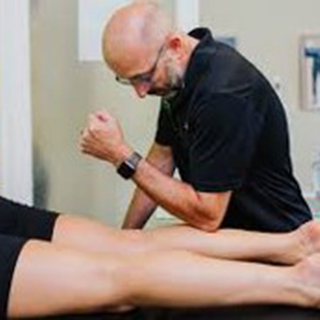
Fascial Manipulation® is an effective manual soft-tissue treatment method for myofascial pain associated with movement problems.
The fascial manipulation method does not focus on symptoms or only on the area of pain or discomfort. Most of the time, myofascial pain and dysfunction may be caused by a previous problem in different areas of the body.
Dysfunctions of the motor system and pain are treated, such as headache, intercostal pain, radiculitis, arthralgia, carpal tunnel syndrome and tendinopathy. We also deal with internal dysfunctions, such as difficulty swallowing (dysphagia), a feeling of tightness in the chest, tachycardia, asthma, gastritis and esophagitis, constipation, bloating, cystitis, vaginismus and dysmenorrhea, circulatory disease, edema, dermatitis and many others.
The method is applied only after a complete assessment has been carried out by a specialist physician of the appropriate specialty.
4-6 sessions are required, once per week.
Perineural Injection Therapy (PIT), or Lyftogt Technique
Perineural Injection Therapy (PIT) is a safe, minimally invasive, non-surgical treatment for chronic neuropathic pain and nerve entrapment. Developed by Dr John Lyftogt, it involves injecting a 5% dextrose solution just under the skin along inflamed subcutaneous nerves. It effectively treats pain, with 6-8 weekly sessions.